
Choosing between Android and iOS has always been a significant decision for smartphone users. Both platforms offer unique features, advantages, and ecosystems. In this guide, we’ll delve deep into the pros and cons of each, helping you make an informed choice based on your preferences and needs.
📱 Android: The Open-Source Powerhouse
Advantages:
- Customization: Android offers unparalleled customization options, allowing users to modify home screens, widgets, and even install custom ROMs.
- Variety of Devices: From budget-friendly to premium devices, Android powers a vast range of smartphones, giving consumers numerous choices.
- Expandable Storage: Many Android phones support microSD cards, allowing users to expand storage as needed.
- USB-C Charging: The universal USB-C port is widely adopted in Android devices, enabling faster charging and data transfer.
- Split-Screen Multitasking: Android supports split-screen functionality, enhancing productivity by allowing two apps to run simultaneously.
Disadvantages:
- Fragmentation: Due to the vast number of manufacturers, software updates can be inconsistent across devices.
- Pre-installed Bloatware: Some manufacturers include unnecessary apps that consume storage and resources.
- Security Concerns: Open-source nature can lead to increased vulnerability if users install apps from unverified sources.VirtuBox India
🍏 iOS: The Seamless Ecosystem
Advantages:
- Consistent Updates: Apple provides regular software updates to all supported devices simultaneously, ensuring security and feature parity.
- Optimized Performance: iOS is tailored for Apple’s hardware, resulting in smooth and efficient performance.
- App Quality: The App Store maintains strict guidelines, ensuring high-quality and secure applications.
- Ecosystem Integration: Seamless integration with other Apple products like MacBooks, iPads, and Apple Watches enhances user experience.
- Privacy and Security: Apple emphasizes user privacy, offering features like App Tracking Transparency and end-to-end encryption.
Disadvantages:
- Limited Customization: iOS offers fewer customization options compared to Android.
- Higher Cost: Apple devices generally come with a premium price tag.
- No Expandable Storage: iPhones do not support microSD cards, limiting storage expansion.
- Proprietary Accessories: Use of proprietary connectors like the Lightning port can be inconvenient.
🔍 How to Decide Between Android and iOS
1. Budget: If you’re looking for a budget-friendly device, Android offers a broader range of options.
2. Ecosystem: If you already use Apple products, an iPhone will integrate seamlessly with your existing devices.
3. Customization vs. Simplicity: Choose Android for customization or iOS for a straightforward, user-friendly experience.
4. App Preferences: Some apps or features may be exclusive or perform better on one platform over the other.
📱 Top 3 Android Smartphones on Amazon India (May 2025)
| Model | Key Features | Price (₹) | Buy Link |
|---|---|---|---|
| Samsung Galaxy S25 Ultra | 6.9″ QHD+ AMOLED, Snapdragon 8 Elite, 200MP Quad Camera, 5000mAh Battery | 1,29,999 | Buy Now |
| OnePlus 13 Pro | 6.7″ AMOLED, Snapdragon 8 Gen 3, 50MP Triple Camera, 4800mAh Battery | 84,999 | Buy Now |
| Google Pixel 9 Pro | 6.8″ OLED, Google Tensor G4, 50MP Dual Camera, 4700mAh Battery | 79,999 | Buy Now |
🍎 Best iPhone Available on Amazon India (May 2025)
| Model | Key Features | Price (₹) | Buy Link |
|---|---|---|---|
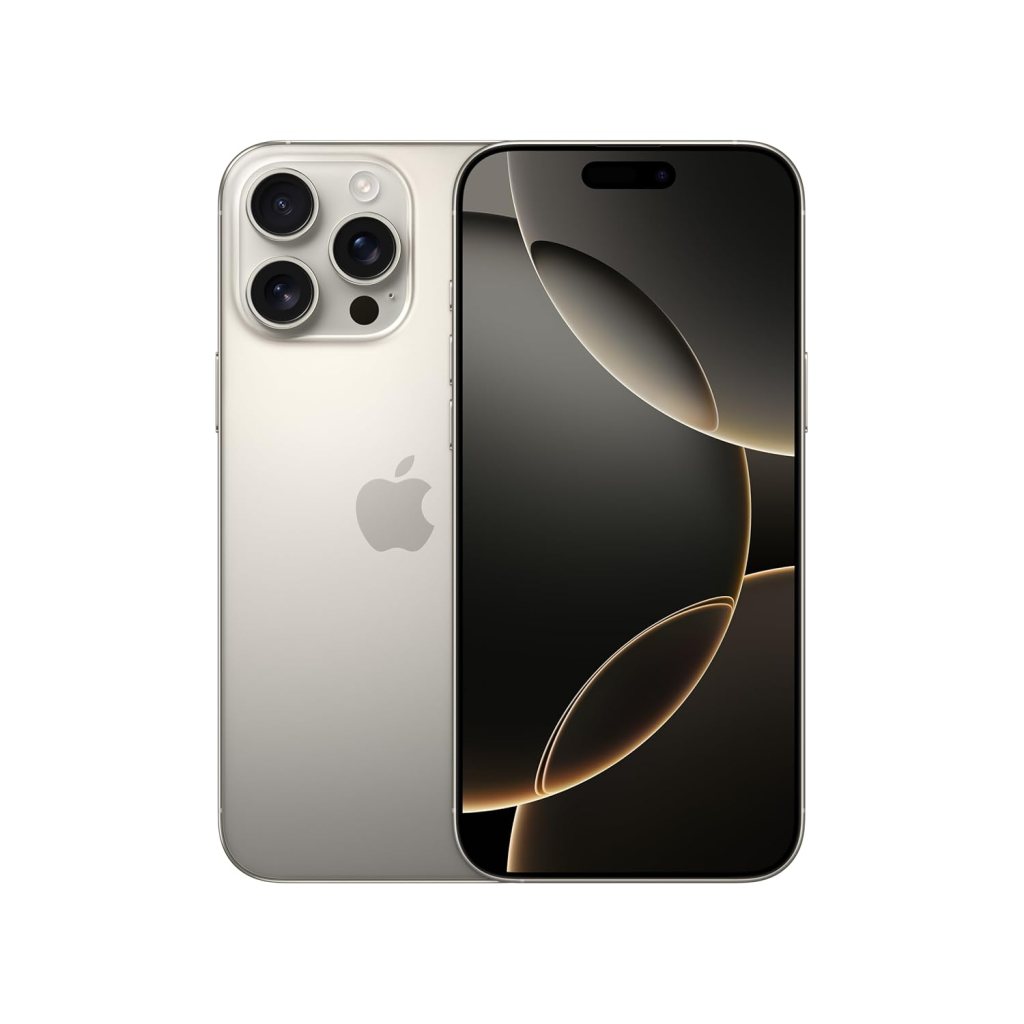
| iPhone 16 Pro | 6.1″ Super Retina XDR, A18 Bionic Chip, 48MP Dual Camera, 3200mAh Battery | 1,29,900 | Buy Now |
🧠 Final Thoughts
Both Android and iOS have their unique strengths and cater to different user preferences. Your choice should align with your priorities, whether it’s customization, budget, ecosystem integration, or app availability. Evaluate your needs, consider the advantages and disadvantages outlined above, and choose the platform that best suits your lifestyle.
 ReviewSpire
Leave a comment